
Obesity Is More Than Diet and Exercise
By Dr. Furhan Qureshi ·
When conversations about obesity focus only on eating less and exercising more, they can overlook the complexity of the problem.
Weight is often discussed as though it reflects a person's discipline or motivation. Yet people live with different genetic predispositions, health conditions, work demands, environments, and access to opportunities for physical activity. These factors can influence health in ways that are not always visible from the outside.
Understanding obesity requires looking beyond individual habits and considering the wider circumstances that shape them.
There Is No Single Explanation for Obesity

Diet plays an important role in health and weight management, but it is not the only factor involved.
Genetics, metabolic health, daily routines, and other individual circumstances can influence how a person's body regulates energy and responds to changes in food intake and physical activity. Conditions associated with metabolic health, including insulin resistance, also complicate the picture.
Two people can have different health profiles even when their body sizes appear similar. Likewise, body weight alone cannot tell the whole story about an individual's metabolic health.
This is one reason broad assumptions about why someone has gained weight can be misleading. A person's appearance does not reveal their full medical history, lifestyle constraints, or underlying risk factors.
How the Modern Lifestyle Can Shape Health

Daily life has changed in ways that can make movement less automatic.
Many people spend long hours sitting at a desk, working on a computer, commuting by car, or managing responsibilities that leave little time for activity. Some balance multiple jobs or demanding schedules. Convenience can make it easier to complete everyday tasks without moving very much.
These circumstances can affect how much movement naturally fits into a person's day.
In places where walking is part of commuting, shopping, or social activities, movement may happen in small amounts throughout the day rather than being limited to a planned workout. In more car-dependent environments, the same everyday tasks may involve much less physical activity.
This does not mean one country or culture offers a perfect model for health. Food choices, healthcare, economic conditions, and many other factors differ across populations. But the way communities are designed can influence the opportunities people have to move.
Is One Intense Workout Enough?
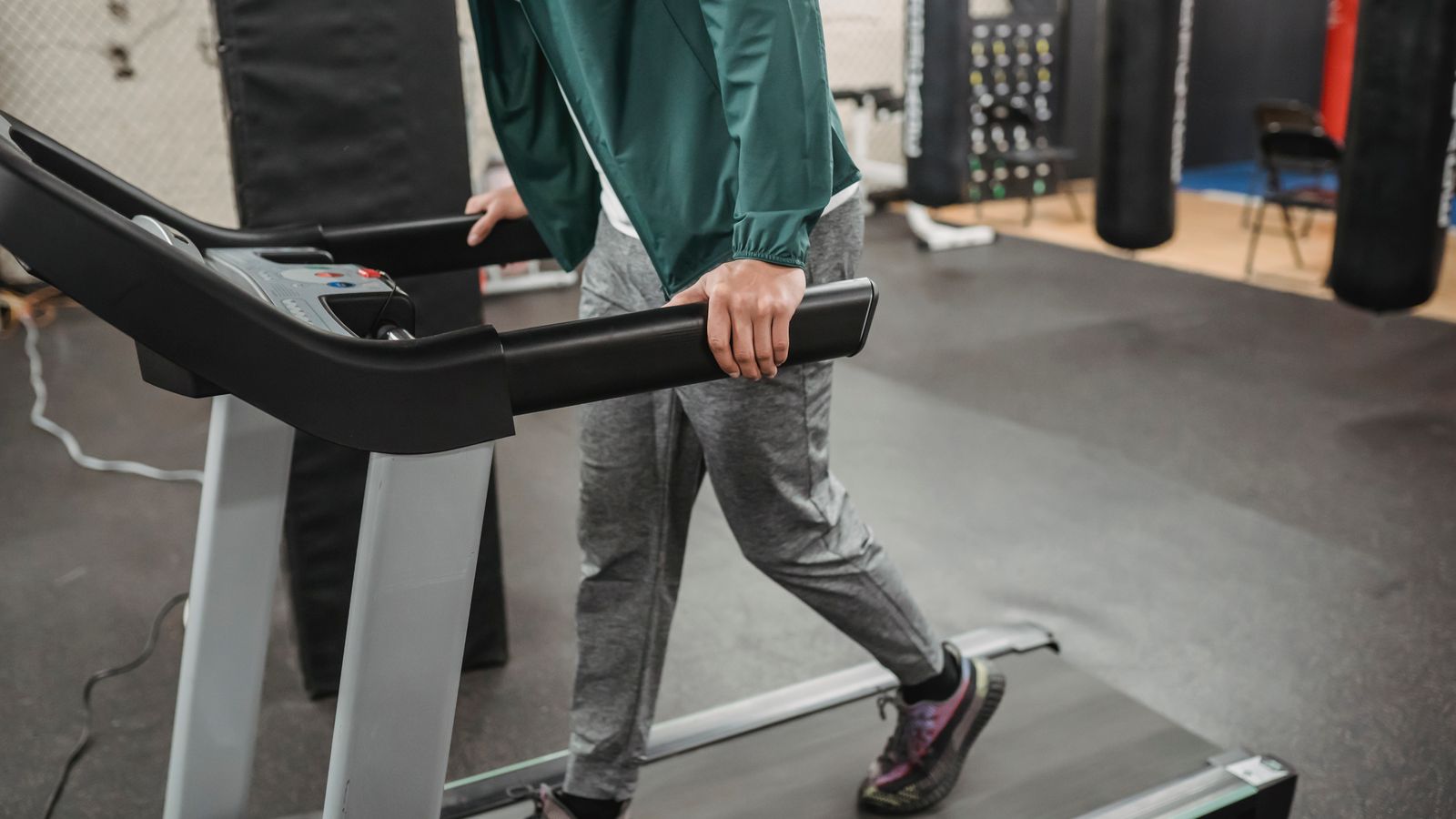
Structured exercise can be valuable, but it is only one part of an active lifestyle.
A person might complete a demanding workout and then spend most of the remaining day sitting. Another person might take regular walks, stand up frequently, use stairs, or build movement into ordinary activities.
These patterns are not identical, and neither should be judged without considering a person's overall health and circumstances. Still, the distinction highlights an important question: how much movement is built into everyday life beyond scheduled exercise?
For people who spend long hours sitting, finding realistic opportunities to move more often may be a useful starting point. Short walks, movement breaks, or walking during certain errands may be more practical than trying to redesign an entire routine at once.
The goal is not to suggest that everyday movement replaces all other forms of exercise. It is to recognize that physical activity can take different forms and that consistency may be easier when movement becomes part of daily life.
Stress, Work, and the Pressure to Stay Productive

Health habits do not exist separately from work and personal responsibilities.
Long working hours, financial pressure, limited time off, and competing obligations can make it difficult to prioritize meals, physical activity, sleep, and recovery. Someone who spends most of the day working may have little time or energy left for planning meals or exercising.
Stress can also affect health and behavior. Its effects vary from person to person, and it should not be treated as the sole explanation for weight gain. Nevertheless, it belongs in a broader discussion about the conditions that make healthy routines easier or harder to maintain.
When people are constantly trying to meet professional and personal demands, telling them simply to try harder may overlook the practical barriers they face.
A more useful approach asks what is getting in the way and which changes are realistic within a person's circumstances.
Moving Beyond Blame

Weight-related stigma can make it harder for people to seek care or discuss their concerns openly.
Assuming that obesity is proof of laziness ignores the many factors that can influence weight and metabolic health. It can also turn a medical concern into a judgment about someone's character.
A more constructive conversation recognizes that personal choices matter while acknowledging that choices are shaped by circumstances. People may need different forms of support depending on their medical history, daily responsibilities, resources, and goals.
This perspective does not remove personal agency. It makes room for a more realistic understanding of what change may require.
What Can a More Practical Approach Look Like?

There is no single routine that will work for everyone, but a few principles can help guide conversations about health:
• Look at the whole picture. Consider medical history, daily activity, nutrition, sleep, stress, and other relevant factors rather than focusing only on the number on a scale. • Build movement into daily life. Identify manageable opportunities to walk or move during the day, taking personal abilities and medical needs into account. • Choose sustainable changes. A routine that fits someone's schedule is more realistic than a plan that depends on ideal circumstances every day. • Seek individualized medical guidance. Persistent weight concerns or possible metabolic conditions deserve thoughtful evaluation, not assumptions. • Avoid treating medication as a moral issue. When medically appropriate, treatment options should be considered through a discussion of potential benefits, risks, and individual needs.
Weight management can be complex, and progress may not be linear. A person's care plan should reflect that reality.
A Broader View of Metabolic Health
Obesity is not adequately explained by one food, one habit, or one personal decision. Diet and physical activity matter, but so do biology, environment, work patterns, and the broader conditions in which people live.
Recognizing these influences creates room for more useful conversations about prevention and treatment. Instead of relying on blame, healthcare can focus on understanding each person's circumstances and identifying practical, evidence-informed ways to support their health.
The more carefully we examine the full picture, the better positioned we are to move beyond assumptions and toward meaningful solutions.
Listen to the Full Episode
Why is obesity more complex than diet and exercise alone? How do GLP-1 medications, body composition, visceral fat, and the realities of modern lifestyles shape the conversation around weight loss and metabolic health?
Explore these questions and more in Episode 1 of The Noor Effect: “Peptides & GLP-1s for Weight Loss — What You Need to Know About Longevity, Safety & Regulation.” Dr. Furhan Qureshi and triple board-certified hematologist and oncologist Dr. Rahul Singh discuss obesity, metabolic health, GLP-1 medications, and the importance of understanding the evidence behind emerging treatments.
Listen to the full episode of The Noor Effect for a deeper conversation about weight management, longevity, medical research, and the choices we make about our health.
Photos via Pexels — beyzahzah, Andrej Klintsy, Vitaly Gariev, Julia Larson, Nataliya Vaitkevich, Oluwapamilerinayo Ajala, Pavel Danilyuk, Ivan S