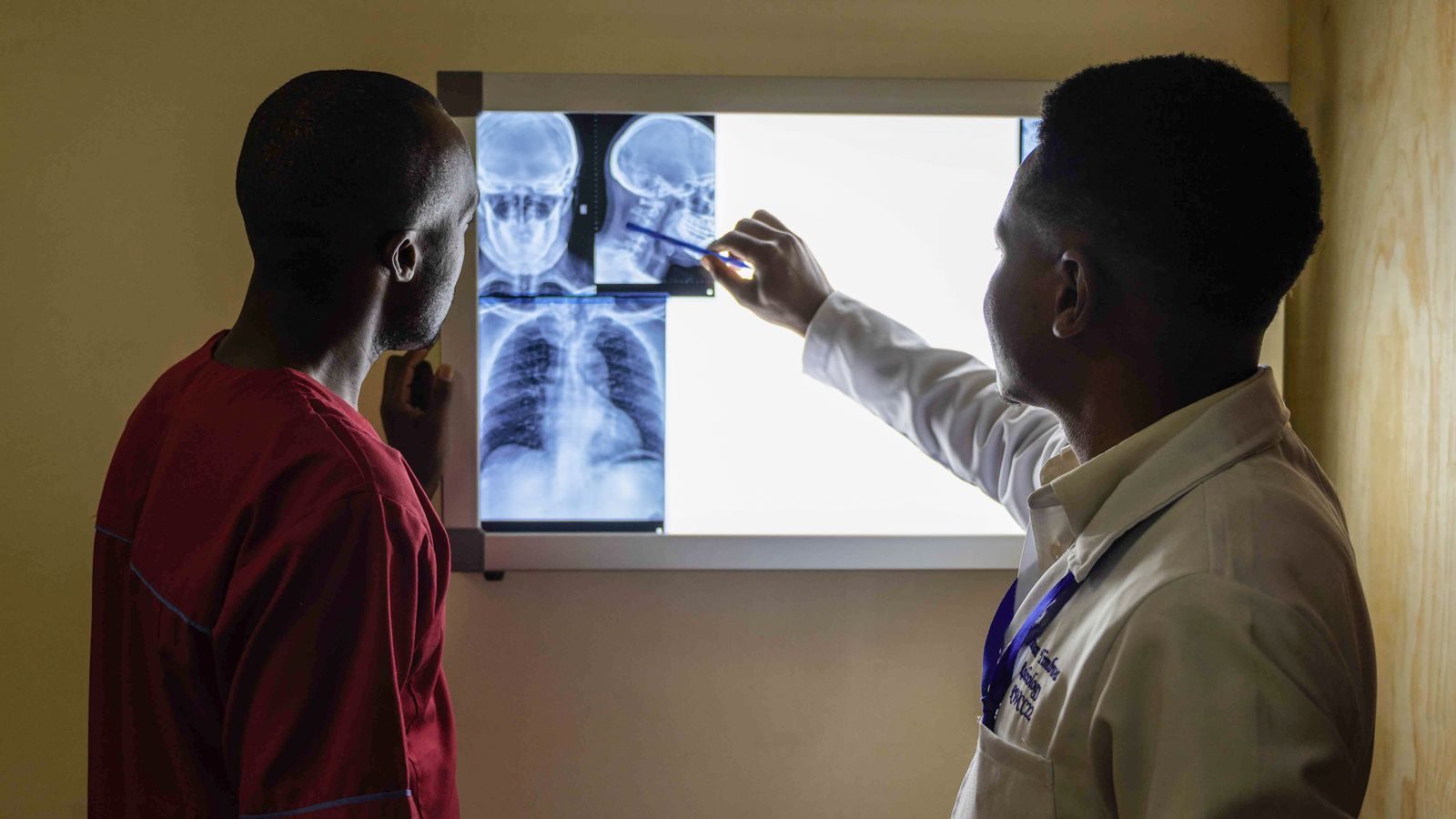
What Happens After a Cancer Diagnosis? Why the Biopsy Matters More Than You Think
By Dr. Furhan Qureshi ·
Hearing the words “it’s cancer” can feel like the end of the conversation.
In many ways, it’s actually the beginning.
A cancer diagnosis tells you what you’re dealing with. But understanding the cancer itself can provide a much more complete picture — and that information can influence how doctors think about treatment.
A Scan Can Find Something. Tissue Can Tell You More.
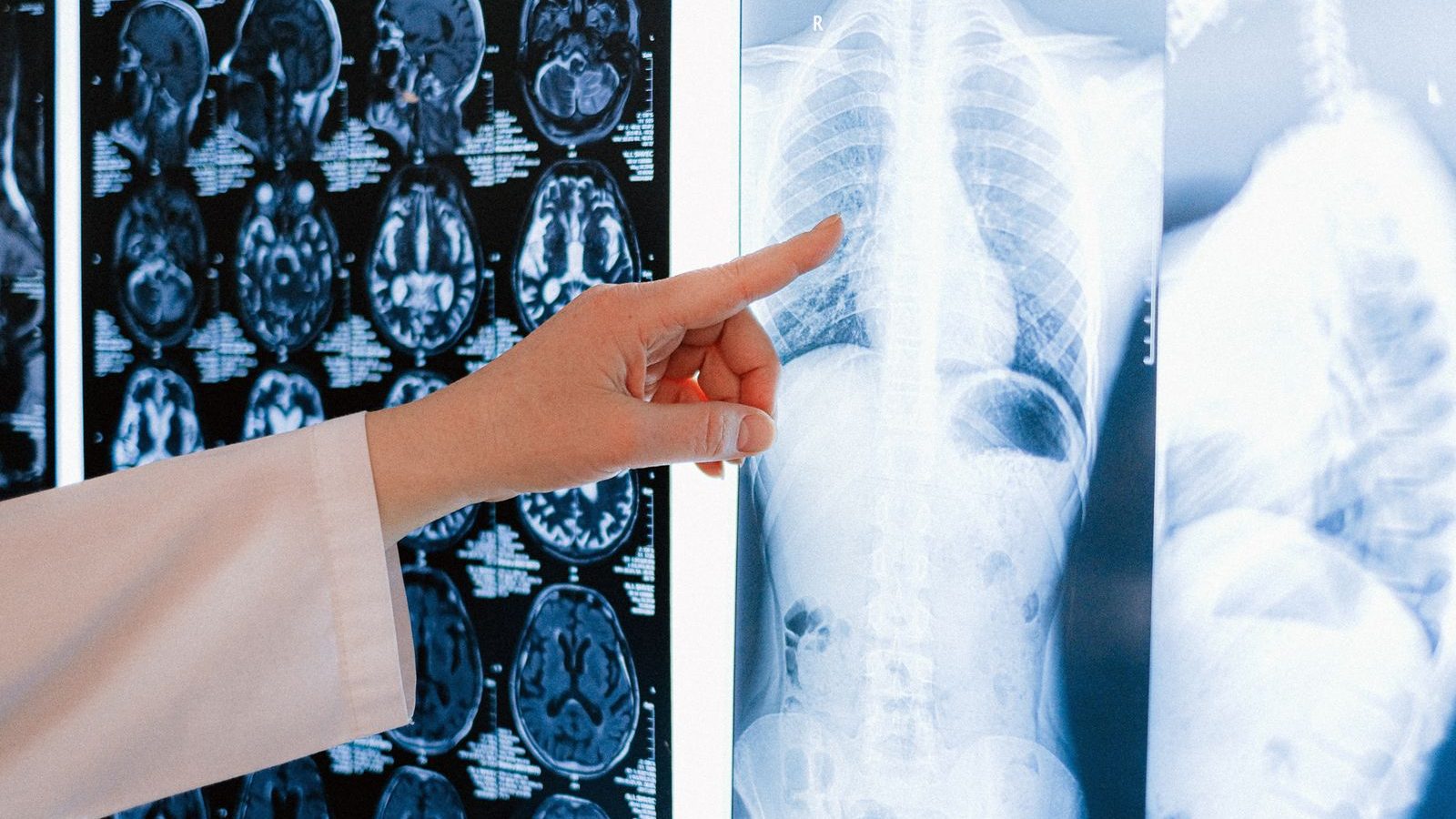
When doctors see a mass or abnormality on imaging, it can raise concern for cancer. But the image alone doesn't tell the entire story.
As discussed by Dr. Rahul Singh in Episode 4 of The Noor Effect, doctors need to understand what is actually happening at the tissue level.
That is where a biopsy can become so important.
A biopsy allows doctors to examine the tissue and learn more about what they are treating. The goal isn't simply to confirm that cancer is present.
It is to understand the cancer.
“It’s Cancer” Isn’t the Whole Conversation
Cancer isn't necessarily the same from one person to another.
Even when two people have the same type of cancer, the biology of their tumors can be different.
Doctors may look at characteristics such as mutations, receptors, and other markers that can provide information about the tumor.
That information can open up a more individualized conversation:
What does this particular cancer look like?
What can potentially be targeted?
Which treatments might make sense for this patient?
That is the idea behind precision medicine — treating the person in front of you rather than assuming every cancer follows the exact same path.
Why Tumor Biology Can Change the Treatment Conversation
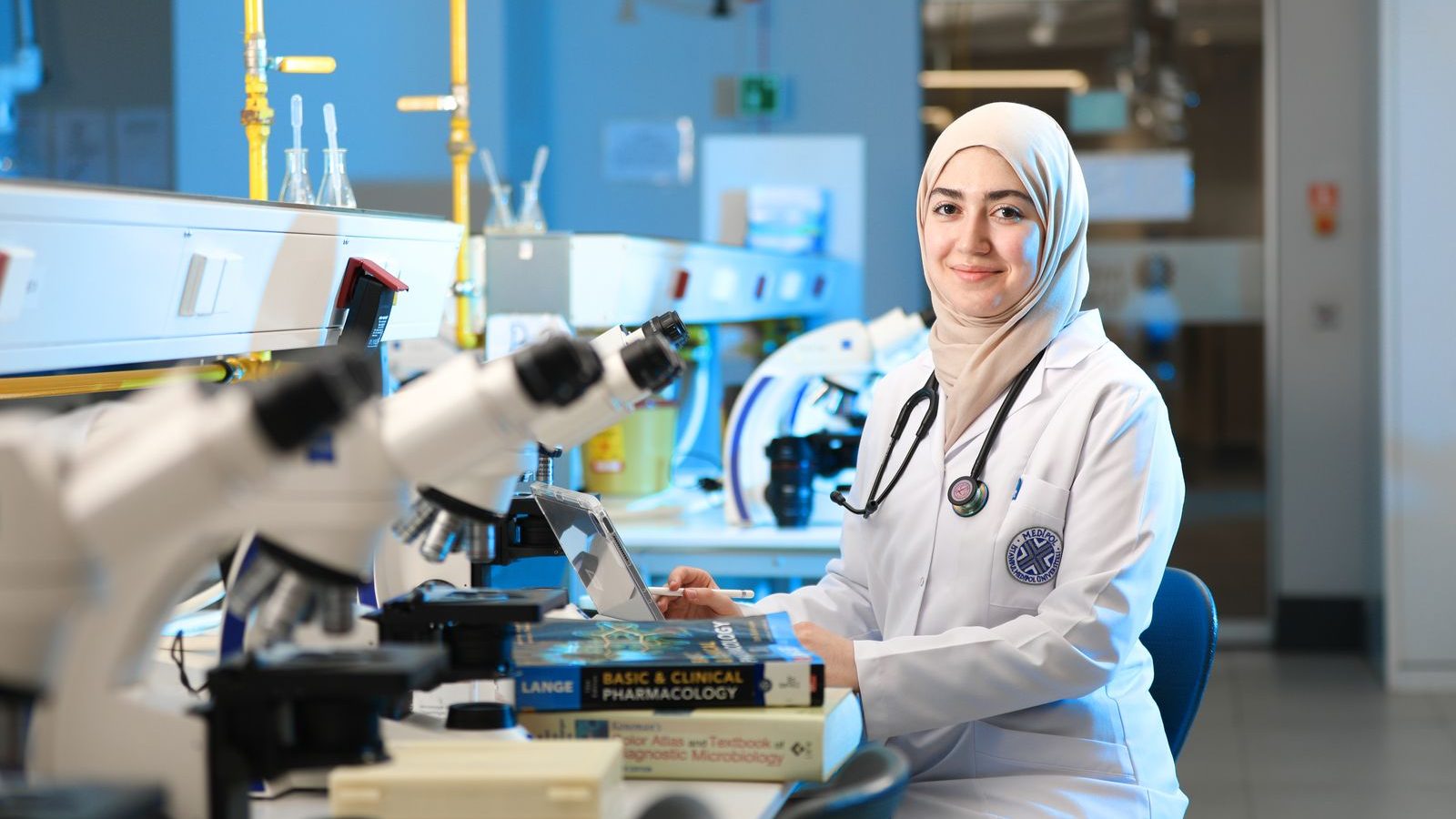
One of the most important points discussed in the episode is that cancer treatment is changing.
Dr. Singh describes how doctors can test tumors for specific characteristics and look for mutations that may be targetable.
The conversation also explores microsatellite instability (MSI) and how certain tumor characteristics can make some cancers more susceptible to immunotherapy.
That means treatment isn't always simply a choice between one standard approach and another.
The biology of the cancer can help inform the options being considered.
The Goal Is a More Complete Picture
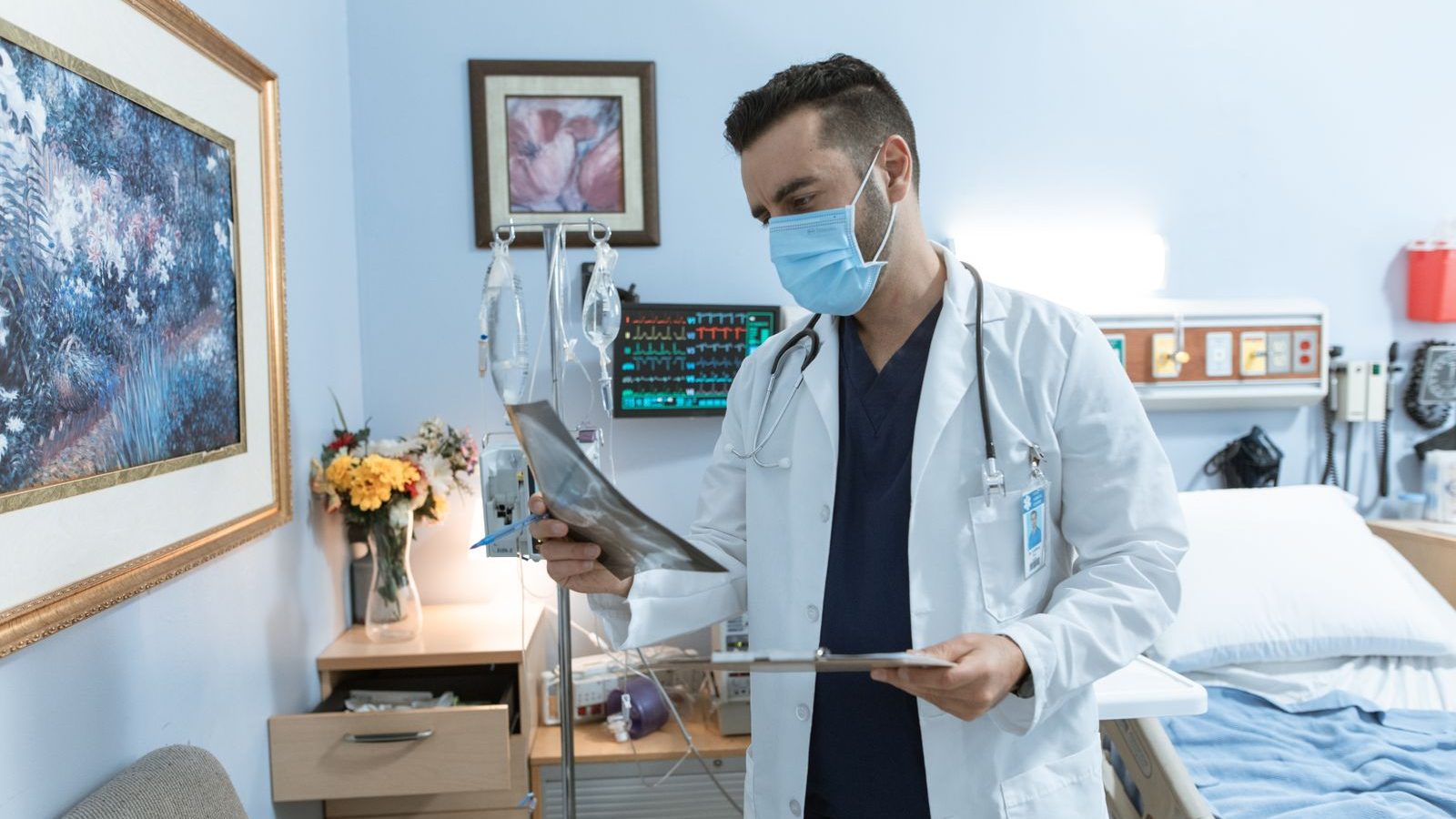
A cancer diagnosis is devastating enough without feeling like you're only getting half the conversation.
The bigger goal is to understand:
What type of cancer is present What the tissue shows What characteristics the tumor has Whether there are mutations or markers that can be targeted What treatment options may fit the individual situation
As Dr. Q and Dr. Singh discuss, the more comprehensive the picture, the more informed the treatment conversation can become.
The Bigger Shift in Cancer Care
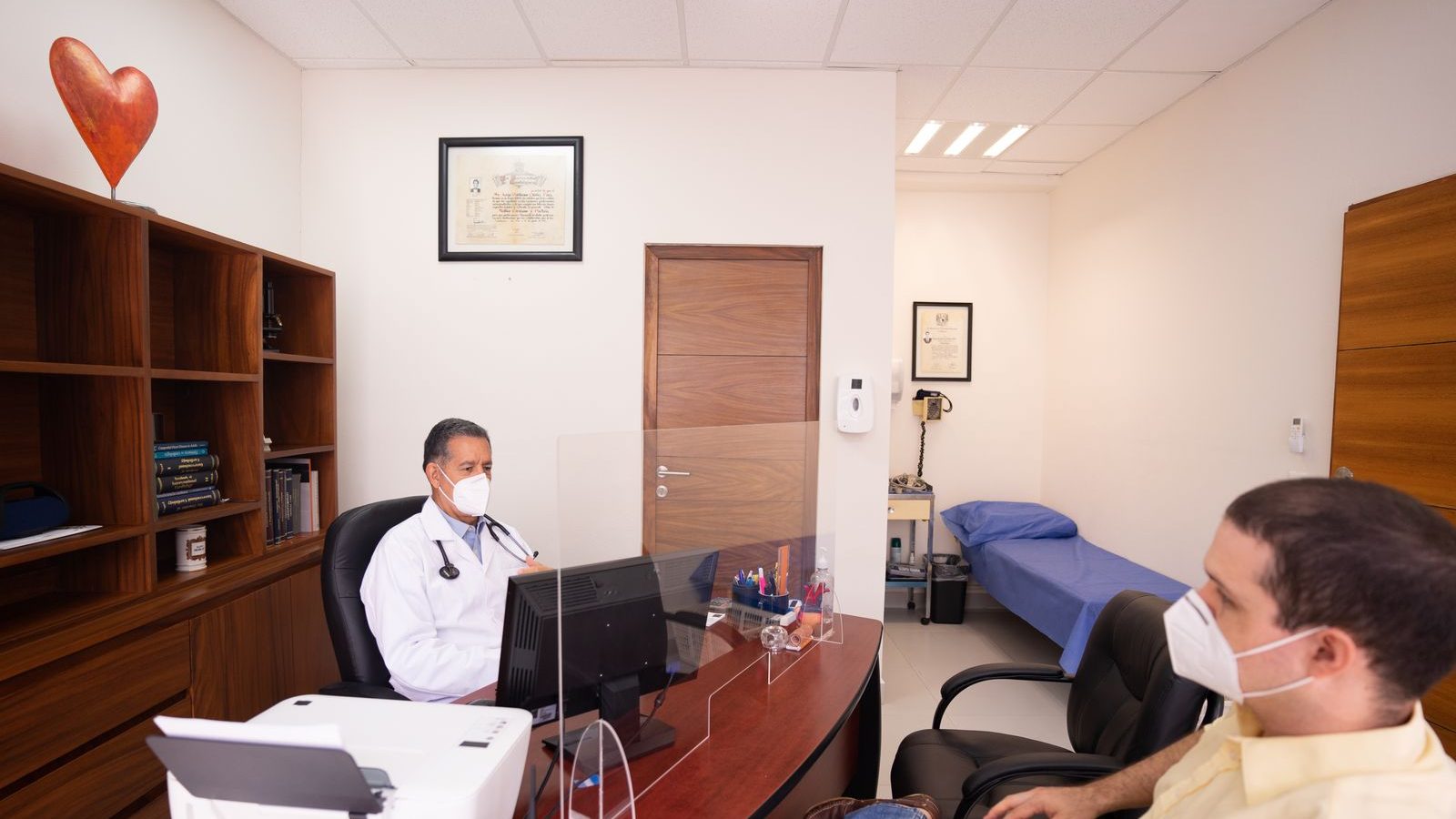
Medicine is continuing to move toward a more personalized approach.
The question is becoming less about:
“What do we usually do for this cancer?”
And more about:
“What does this patient's cancer need?”
That distinction matters.
Because a cancer diagnosis may give you the name of the disease. Understanding its biology can help doctors understand the disease they're actually treating.
The Bottom Line

A biopsy isn't just about putting a label on cancer.
It can be part of understanding the biology behind the diagnosis — and that understanding can shape the conversation around treatment.
When facing cancer, you don't want a half conversation.
You want to understand the full picture.
Want to Go Deeper?
The conversation around cancer diagnosis and treatment is changing rapidly.
Listen to Episode 4 of The Noor Effect: “Colon Cancer at 37: Symptoms, Stage 4 Diagnosis & the New Era of Immunotherapy.”
Hear the full conversation with Dr. Furhan Qureshi, Dr. Rahul Singh, and Jeremy Lucas as they discuss colorectal cancer, the importance of understanding tumor biology, precision medicine, immunotherapy, and the changing landscape of cancer treatment.
Photos via Pexels — Michael Obiero, Anna Shvets, Muhlis Baysal, Yusuf Çelik, RDNE Stock project, Los Muertos Crew, SHVETS production