
Cancer Treatment Is Becoming More Personal: Why Your Tumor’s Biology Matters
By Dr. Furhan Qureshi ·
A cancer diagnosis used to sound like the beginning of a single, predictable treatment path.
Chemotherapy. Radiation. More chemotherapy.
But cancer isn't one disease.
And increasingly, neither is its treatment.
One of the biggest changes in oncology is the move toward personalized or precision medicine—understanding the biology of an individual tumor and using that information to help determine which treatments may be most appropriate.
Cancer Can Look Different From Person to Person

Two people can have the same type of cancer and still have very different tumors.
Why?
Because the biology of the cancer can be different.
Tumors can carry different genetic mutations, receptors, and other characteristics that may influence how they behave and how they respond to treatment.
That means a cancer diagnosis is not necessarily the end of the conversation.
In many cases, it's the beginning of a much more detailed one.
What is this cancer made of?
What targets does it have?
What treatments might work against those targets?
That's where precision medicine comes in.
The Goal Isn't to Treat Everyone the Same

A powerful idea in modern oncology is simple:
Treat the person in front of you—not an abstract version of the disease.
Understanding the specific characteristics of a tumor can help physicians look for treatments that are better matched to that individual cancer.
Instead of asking only:
“What cancer does this person have?”
the conversation can become:
“What does this particular cancer look like biologically, and what can we target?”
That distinction matters.
Why the Biopsy Can Tell You More Than “It's Cancer”
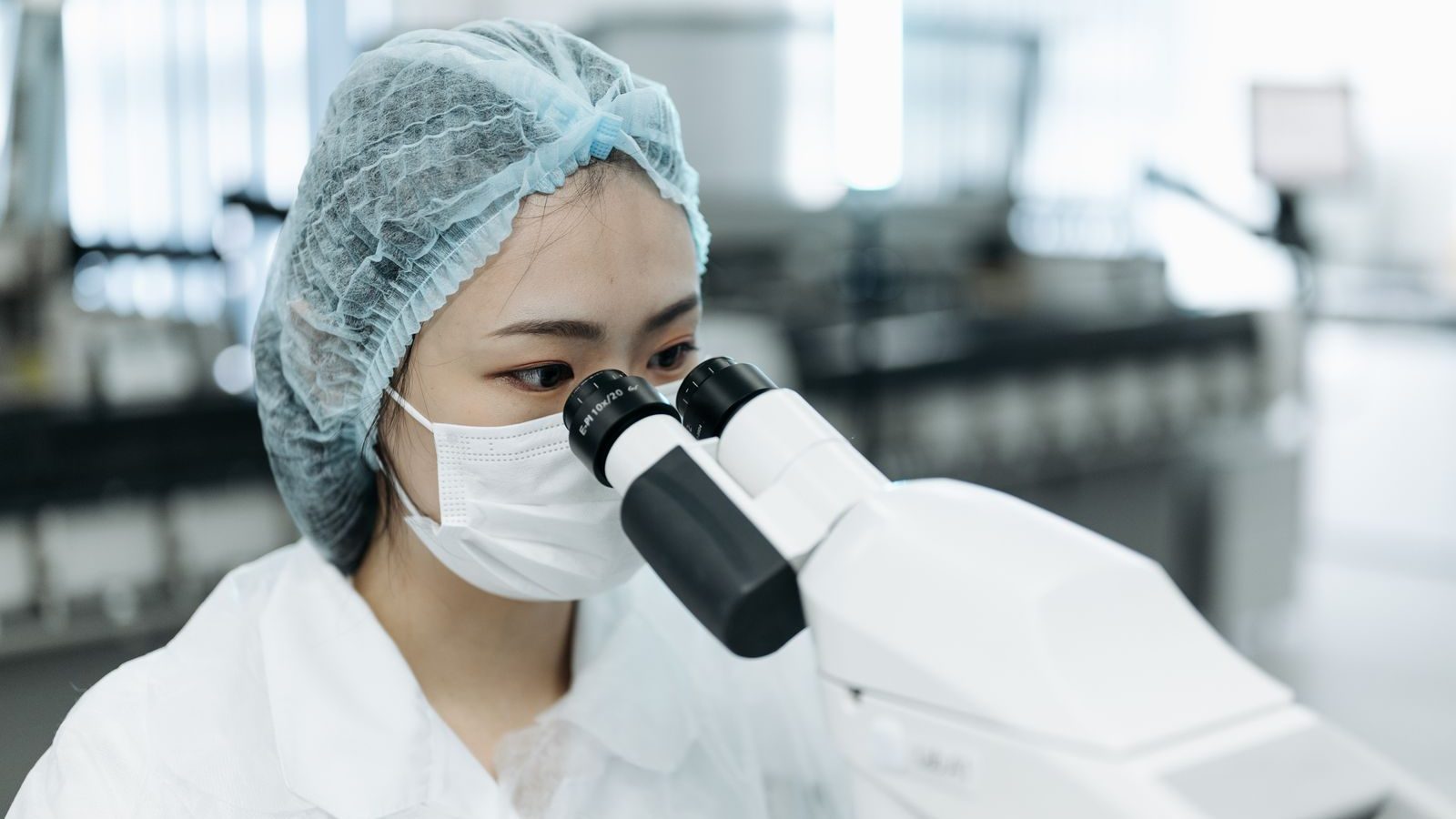
A biopsy isn't simply about confirming that cancer is present.
The tissue can provide information about the biology of the tumor.
As discussed in the context of immunotherapy and targeted treatment, physicians may look for specific characteristics—including mutations or markers that could make a tumor more susceptible to particular therapies.
For example, the discussion around microsatellite instability (MSI) highlighted how certain tumor characteristics can help identify cancers that may respond to immunotherapy.
The diagnosis tells you what you're dealing with.
The biology can help tell you how to approach it.
Targeted Therapy Changes the Conversation
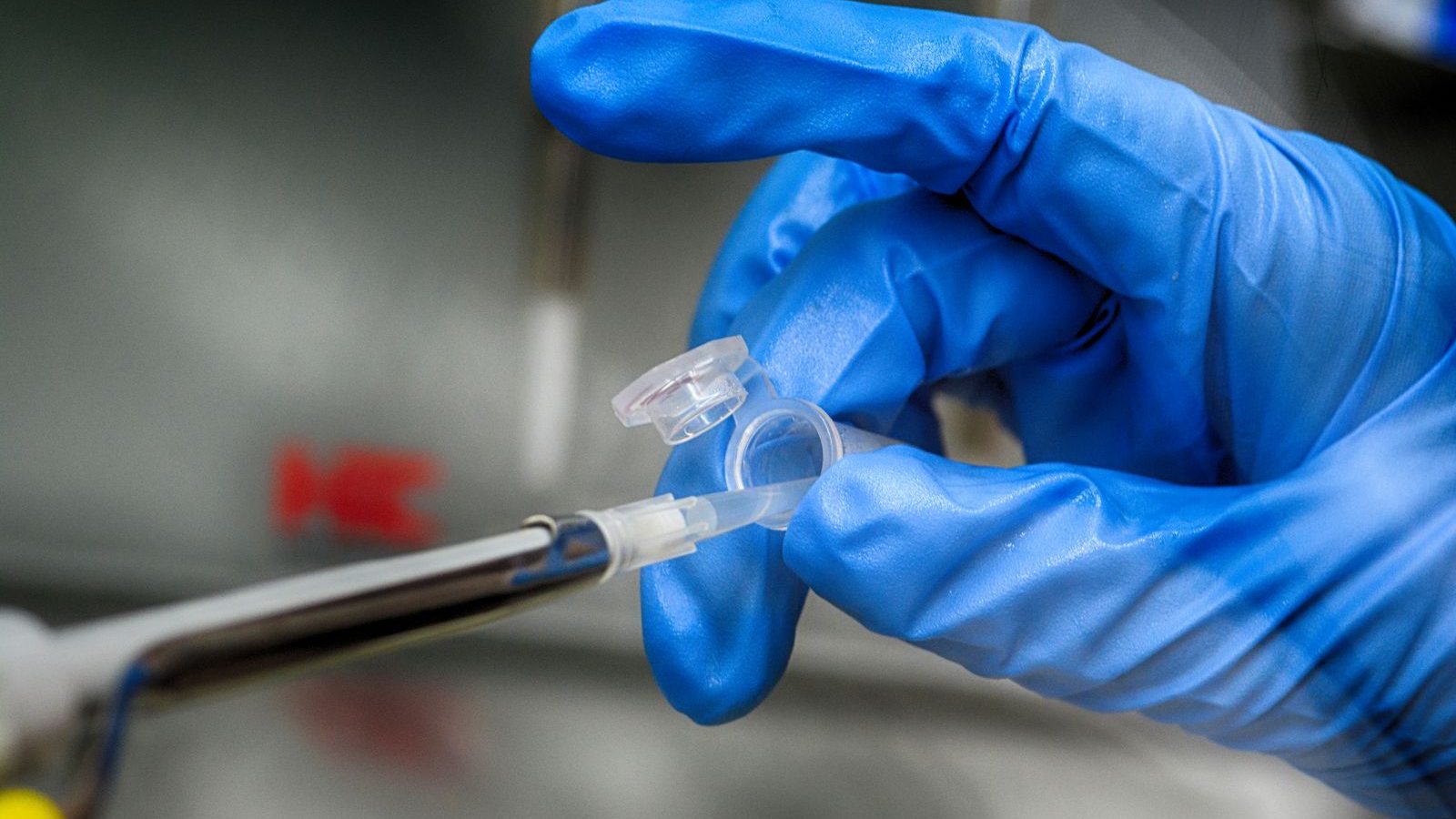
Cancer cells grow and divide through complex biological processes.
Some tumors contain specific genetic changes that can become treatment targets.
When a treatment can target one of those specific changes, the goal is to interfere with the mechanism that is helping the cancer grow.
That's one reason targeted therapies have become such an important part of modern oncology.
The treatment isn't simply based on the location of the cancer.
It's increasingly informed by what is happening inside the cancer itself.
Immunotherapy Adds Another Dimension

Immunotherapy represents another major shift in cancer treatment.
Rather than relying exclusively on traditional approaches, immunotherapy can work by helping the body's immune system recognize and attack cancer cells.
But it isn't appropriate for every cancer or every patient.
That's why understanding the biology of the tumor matters.
Certain characteristics can make some cancers more likely to respond to particular immunotherapies.
The goal isn't to chase the newest treatment.
It's to understand which treatment makes sense for the biology in front of you.
The Bigger Shift in Cancer Care

Perhaps the most important change isn't a single drug or technology.
It's the mindset.
Cancer care is moving toward a more individualized approach—one that considers the specific characteristics of the cancer, the patient's health, and other factors that can influence treatment.
The question is becoming less:
“What do we normally do for this cancer?”
And more:
“What does this patient's cancer need?”
That's a meaningful shift.
Because when you're facing a cancer diagnosis, you don't want a generic answer.
You want to understand your cancer, your options, and why a particular treatment may make sense for you.
Want to Go Deeper?
The conversation around cancer treatment is changing—and so is what doctors can learn about the disease they're treating.
Listen to Episode 4 of The Noor Effect: “Colon Cancer at 37: Symptoms, Stage 4 Diagnosis & the New Era of Immunotherapy.”
Hear the full conversation with Dr. Furhan Qureshi, Dr. Rahul Singh, and Jeremy Lucas as they discuss colorectal cancer, immunotherapy, targeted treatments, precision medicine, and the changing landscape of cancer care.
Photos via Pexels — Vitaly Gariev, RDNE Stock project, Cedric Fauntleroy, Pavel Danilyuk, Jorge Sepúlveda, Antoni Shkraba