Why Being Full Doesn’t Always Mean You’re Eating Well
By Dr. Furhan Qureshi ·
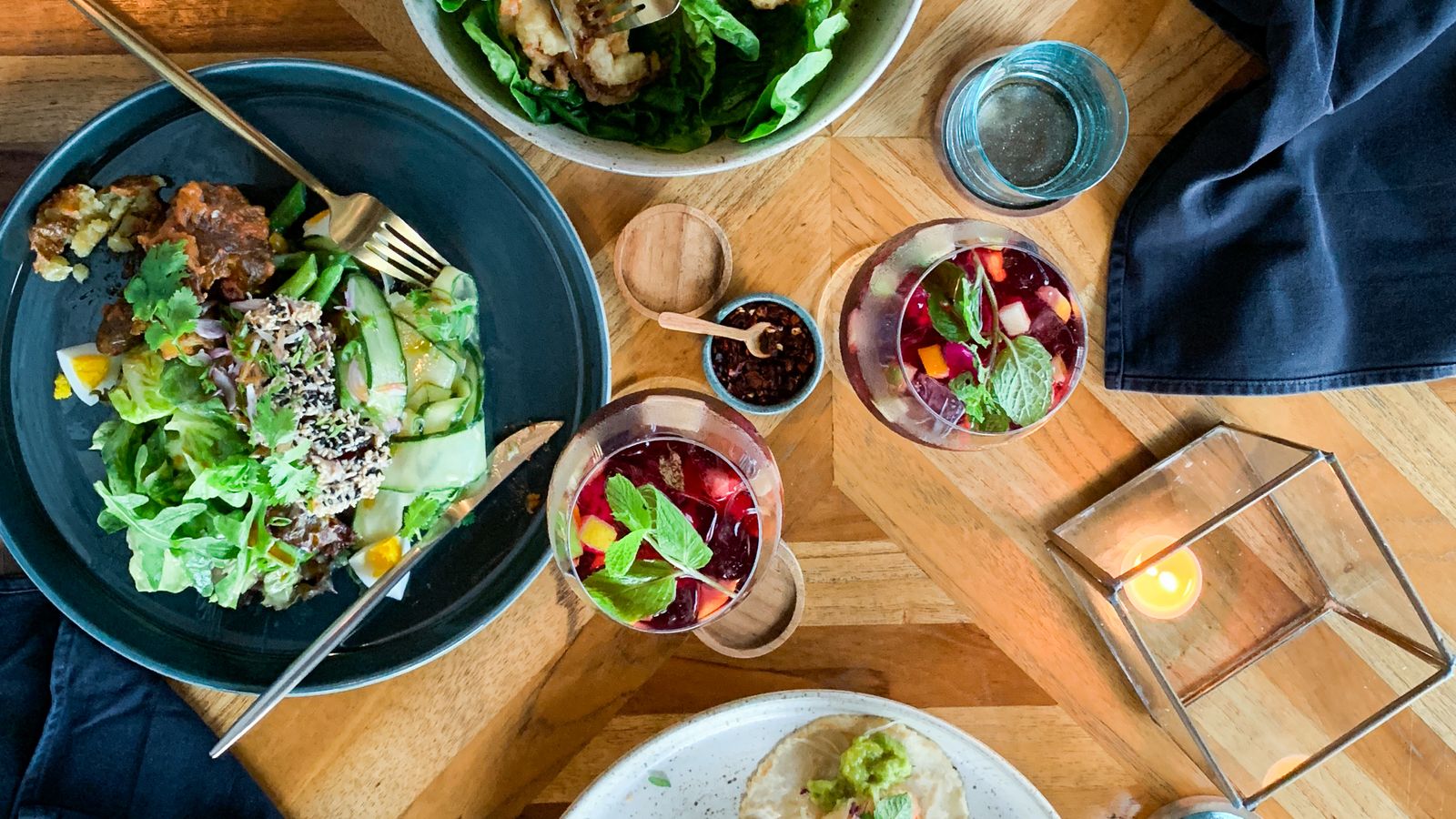
You can finish a meal, feel completely full, and still overlook an important part of nutrition: what your food is actually providing your body.
Between work, deadlines, errands, and everyday responsibilities, eating well can easily become an afterthought. When time is limited, convenience often wins. We grab whatever is available, satisfy our hunger, and move on with the day.
But eating enough and nourishing your body are two different considerations. Understanding that distinction can help you make more intentional food choices without turning every meal into a complicated process.
Fullness Is Only Part of the Picture
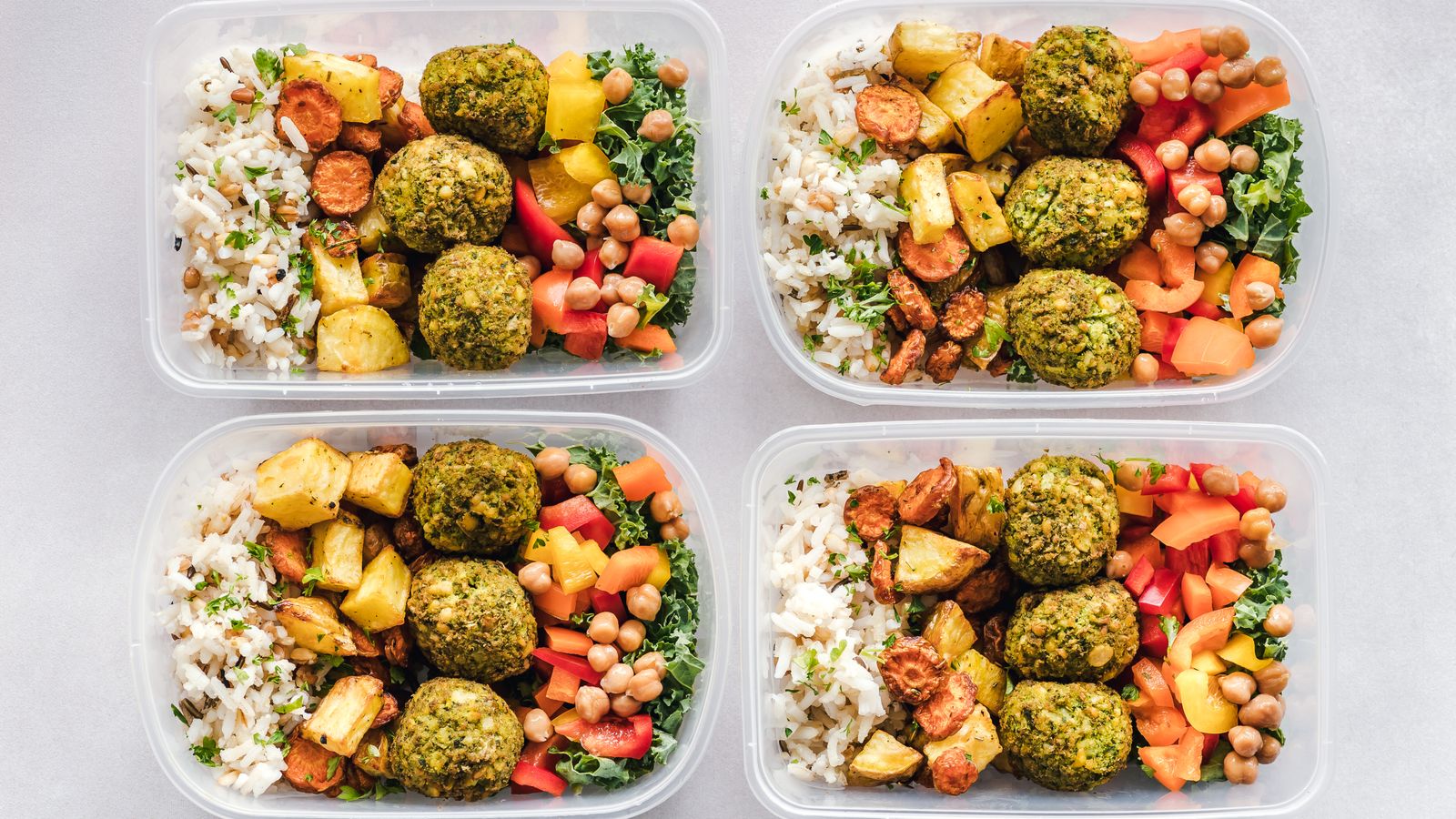
Feeling full is a natural part of eating, but it doesn't tell you everything about the nutritional value of a meal.
Two meals may leave you feeling equally satisfied while offering different combinations of nutrients. That is why it can be helpful to look beyond portion size or fullness and consider the variety of foods you're eating.
Are your meals varied? Are you making room for different food groups? Are your everyday choices aligned with your nutritional needs?
These questions can encourage a more thoughtful approach to eating without labeling individual foods as entirely good or bad.
The goal isn't to make every meal perfect. It's to recognize that satisfaction is only one part of the bigger picture.
How Busy Schedules Shape What We Eat
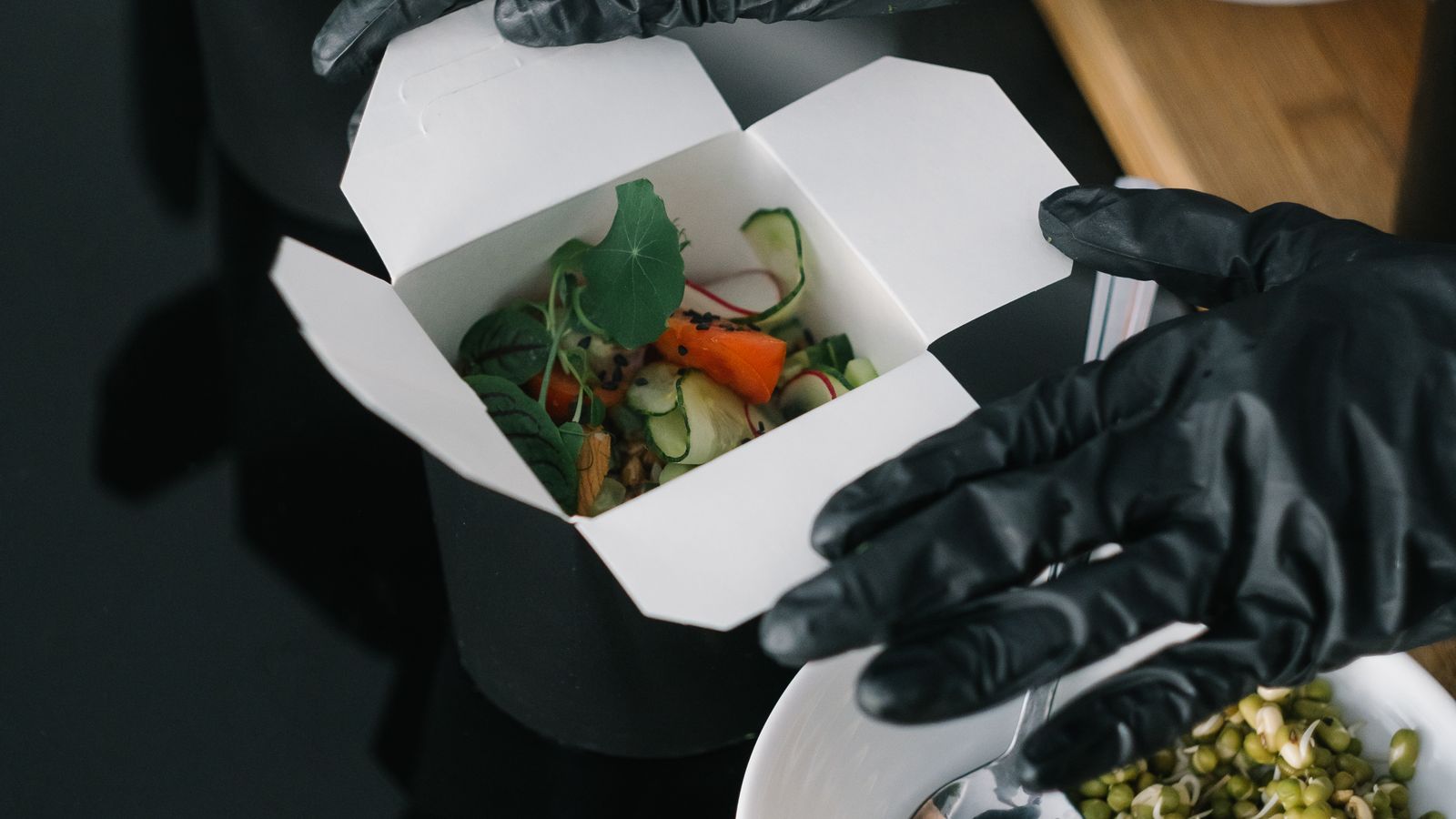
When you're balancing a demanding schedule, planning meals may not feel like a priority. A quick takeaway, a vending machine snack, or whatever is closest can become the easiest solution.
Occasionally, that may be exactly what a busy day requires. The challenge arises when convenience consistently determines what you eat.
Over time, your schedule can begin to shape your eating habits more than your intentions do. You might want to make more considered choices but find yourself reaching for whatever is available because you haven't had the time or energy to think ahead.
This isn't necessarily a matter of lacking discipline. Sometimes, the more useful question is whether your routine makes the choices you want to make practical in the first place.
Your Environment Can Influence Your Eating Habits

Food choices don't happen in isolation. Access, time, work demands, and the options around you can all influence what ends up on your plate.
Someone working long shifts with limited meal breaks may have different options from someone who has the time and facilities to prepare food at home. Both may want to eat well, but their circumstances can make that goal easier or harder to achieve.
Modern conveniences have made obtaining meals faster than ever. Delivery services, ready-to-eat foods, and quick stops can save valuable time. Yet when speed becomes the main consideration behind every meal, nutrition may receive less attention.
Instead of relying entirely on willpower, consider how you can adjust your environment to support your intentions.
Keeping convenient meal options available, planning around your work schedule, or deciding what you'll eat before a busy day begins may help reduce the need to make rushed decisions when you're already hungry.
Small Changes Can Make Eating Well More Practical

You don't need an elaborate meal plan or a complete lifestyle overhaul to become more intentional about food.
Start by identifying the situations in which you tend to make rushed choices. Is it during a busy workday? When you're tired after work? Or when you haven't planned anything for lunch?
Once you recognize the pattern, look for a realistic adjustment.
Here are a few ways to get started:
• Plan around your actual schedule. Choose meal options that fit the time and resources you have available. • Make convenient choices more intentional. Keep practical food options accessible so you're not always relying on whatever happens to be nearby. • Think about variety. Consider how different foods contribute to your overall eating habits rather than focusing on fullness alone. • Avoid the all-or-nothing mindset. One less nutritious meal doesn't define your entire diet. Focus on the patterns that develop over time. • Adjust gradually. Choose one habit you can realistically maintain instead of attempting to change everything at once.
The best approach is one that fits your circumstances and can be sustained in everyday life.
Nutrition Isn't One-Size-Fits-All

People have different routines, preferences, health considerations, and physical demands. What works for one person may not be appropriate for another.
Someone with an active lifestyle may approach meals differently from someone with a more sedentary routine. Individual health conditions and nutritional needs can also influence what is appropriate.
This is why copying another person's diet or following every popular nutrition trend may not be the most useful starting point.
A more thoughtful approach considers your own circumstances, the variety of foods you eat, and the habits you can maintain. If you have specific medical conditions or nutritional concerns, a qualified healthcare professional or registered dietitian can help you determine what is appropriate for you.
Eating well isn't about following a perfect formula. It's about making informed choices that support your individual needs.
Make Your Next Meal More Intentional

Convenience isn't the enemy of healthy eating. Busy days happen, and there will always be moments when the easiest option is the most practical one.
What matters is recognizing when convenience has become the default and deciding whether your current habits are helping you meet your needs.
The next time you reach for a meal, consider more than whether it will fill you up. Think about variety, your overall eating patterns, and what would make a more intentional choice possible.
You don't have to change everything overnight. Sometimes, improving your relationship with food begins with a simple shift: moving from eating whatever is available to being a little more deliberate about what you choose.
Because eating well isn't just about satisfying hunger. It's about making choices that contribute to your well-being over time.
Listen to the Full Episode
How do busy schedules and everyday convenience shape the way we eat? Why does feeling full not always tell the whole story about nutrition, and what can we do to make more intentional food choices?
Explore these questions and more in this episode of The Noor Effect, featuring a deeper conversation about nutrition, wellness, food choices, and the habits that shape our health.
Listen to the full episode of The Noor Effect for a deeper conversation about the relationship between medicine, wellness, and the choices we make about our health.
Photos via Pexels — Anna Tukhfatullina, Ella Olsson, Mikhail Nilov, Alexy Almond, IARA MELO, beyzahzah, Yaroslav Shuraev