
Your Environment Shapes Your Habits, But It Doesn’t Have to Define You
By Dr. Furhan Qureshi ·
The way we live is influenced by more than personal choices. The people around us, the opportunities available to us, and the routines we grow accustomed to can all shape how we think, behave, and imagine our future.
Sometimes, these influences help us grow. Other times, they can make it difficult to see what else is possible.
But where you begin does not have to determine where you end up.
Creating meaningful change often starts with recognizing the patterns around you, deciding what no longer serves you, and giving yourself permission to explore a different path.
The Influence of Your Environment

From childhood, we learn by observing the world around us. Family members, friends, communities, and everyday experiences help shape our understanding of what is normal, achievable, and expected.
These influences can affect everything from our habits and relationships to our career choices and approach to health.
When certain behaviors are familiar, they can become automatic. We may continue following the same routines simply because they are what we know, even when we begin to want something different.
Recognizing this influence is not about blaming our circumstances or the people around us. It is about understanding how our surroundings may be shaping our decisions.
Once we become more aware of those patterns, we can begin to decide which ones we want to carry forward and which ones we want to change.
Growth Begins When You Imagine Something Different

One of the biggest barriers to change is the belief that our current circumstances represent the limits of what is possible.
When you have spent years in a particular environment, it can be difficult to imagine a life beyond it. Familiar routines may feel safer than unfamiliar opportunities, even when you know you want more.
Growth begins when you allow yourself to consider another possibility.
That might mean pursuing a career you never thought was within reach, learning a new skill, building healthier routines, or surrounding yourself with people who encourage a different perspective.
Change does not always require a dramatic turning point. Sometimes, it begins with a quiet realization that the life you have become accustomed to is not necessarily the only life available to you.
You do not need to have every step figured out before you begin moving forward.
The People Who Shape What We Become
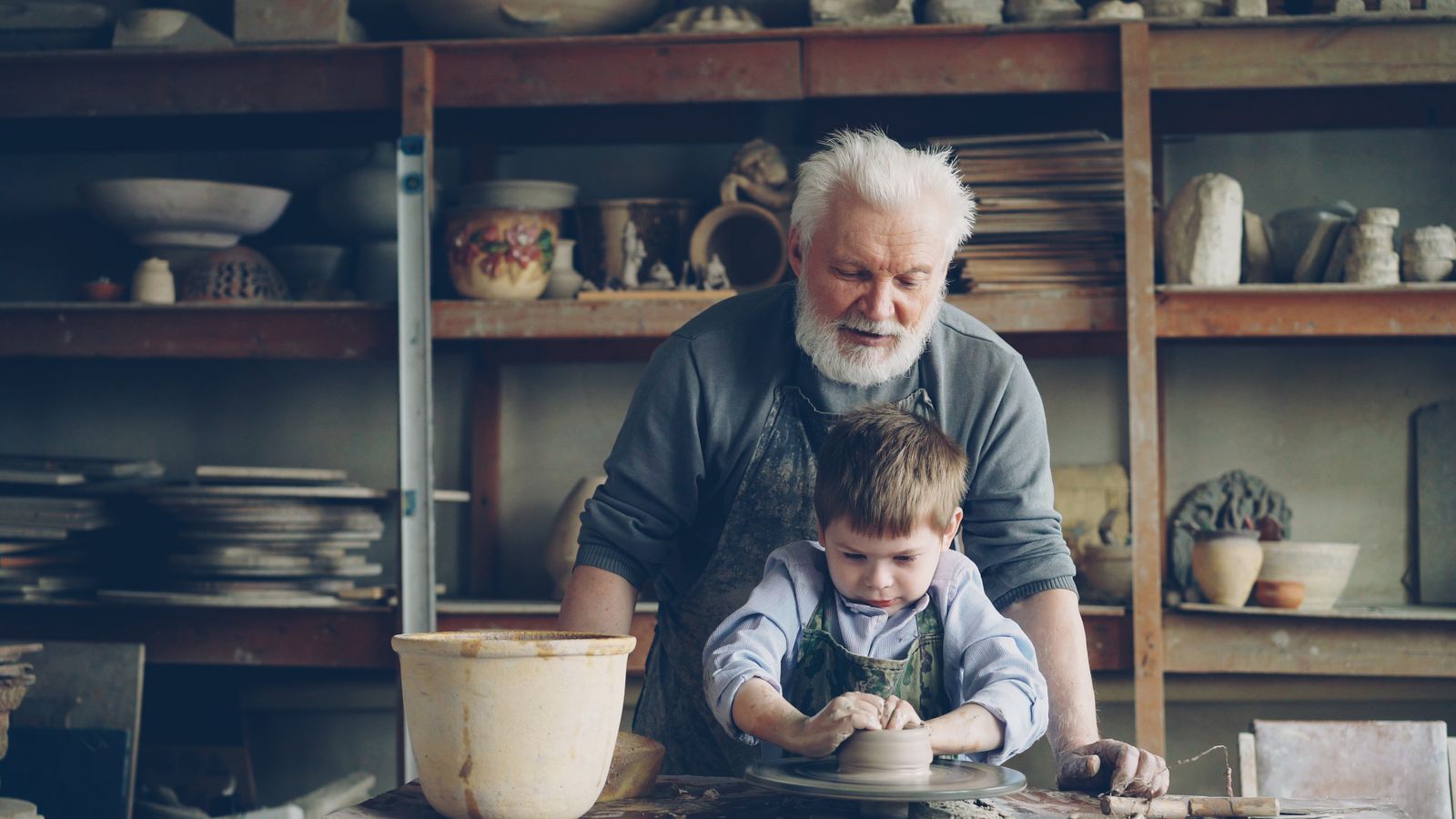
Our environment is not limited to the places we live or work. It also includes the people whose habits, values, and perspectives influence us.
Think about someone who has taught you something meaningful. Perhaps they introduced you to a skill, encouraged you to pursue an opportunity, or showed you a way of approaching life that you had never considered.
Sometimes, a person's influence extends far beyond what they realize.
A family member who teaches us a practical skill, a mentor who challenges our assumptions, or a friend who encourages us to aim higher can help expand our understanding of what is possible.
This is one reason it is worth paying attention to the relationships we cultivate. The people around us can influence what we learn, what we pursue, and what we begin to believe about ourselves.
The goal is not to surround yourself only with people who agree with you. It is to build relationships that allow you to learn, grow, and see beyond your current perspective.
Small Experiences Can Change Your Direction

Not every life-changing influence arrives as a major event.
Sometimes, a new direction begins with an ordinary experience: helping a family member with a task, discovering an interest, learning from someone else's work, or being exposed to an opportunity you had never considered.
An early interest can develop into a skill. A skill can open a door. And that opportunity can lead somewhere entirely unexpected.
The important part is remaining open to learning.
You may not immediately recognize which experiences will become meaningful later. Giving yourself opportunities to explore different interests and develop new abilities can help you discover possibilities that your previous environment never exposed you to.
Growth is not always about abandoning where you came from. Sometimes, it is about taking what you learned there and using it to build something new.
Stepping Outside Your Comfort Zone

Knowing that change is possible and actually pursuing it are two different things.
New opportunities can bring uncertainty. You may worry about failing, disappointing others, losing stability, or discovering that the path you chose is harder than expected.
These concerns are understandable. Familiarity offers a sense of predictability, while change asks us to navigate situations we may not fully understand yet.
But waiting until you feel completely ready can keep you in the same place for longer than you intended.
Instead of trying to eliminate every uncertainty, focus on identifying one step you can take.
You might research an opportunity, speak with someone who has experience in the field, begin learning a new skill, or make one adjustment to your daily routine.
You do not have to transform your life overnight. You simply need to create room for progress.
Taking Responsibility Without Blaming Yourself

Recognizing the influence of your environment can be empowering, but it is important to approach it with perspective.
Not everyone has the same resources, support, opportunities, or freedom to change their circumstances. Some barriers are real, and meaningful change may require time, assistance, and practical planning.
Taking responsibility for your growth does not mean pretending those barriers do not exist.
It means identifying where you have room to act, seeking support where you need it, and working with the opportunities available to you.
You may not be able to control every circumstance, but you can often begin by changing how you respond to one part of it.
That could mean asking for help, setting a boundary, reconsidering a habit, or taking a small step toward a goal that matters to you.
Progress does not have to be immediate to be meaningful.
You Can Respect Your Past Without Remaining in It

Where you come from is part of your story, but it does not have to be the entire story.
Your upbringing may have taught you resilience, creativity, discipline, or resourcefulness. It may also have exposed you to patterns you no longer want to repeat.
Both can be true.
You can appreciate the people and experiences that shaped you while acknowledging that some things need to change. You can remain connected to your roots while exploring new opportunities. You can recognize how far you have come without assuming that your future must look like your past.
Personal growth is not necessarily about rejecting your beginnings. It is about deciding what you want to build from them.
Start With One Change

You do not need a perfect plan to begin creating a different future. Start by examining the routines, relationships, and circumstances that influence your everyday decisions.
Ask yourself:
• Which habits are helping me move toward the life I want? • What patterns am I continuing simply because they are familiar? • Who encourages me to learn, grow, and think differently? • What opportunity have I been postponing because it feels unfamiliar? • What is one practical step I can take this week?
Your answers do not need to lead to immediate, dramatic change. They can simply help you see your circumstances more clearly and identify where you want to go next.
Your environment may influence your starting point, but it does not have to dictate your destination. Growth begins when you recognize that new possibilities exist—and give yourself the chance to pursue them.
Listen to the Full Episode
How do our surroundings shape the people we become? What role do family, opportunity, and personal experiences play in our growth, and how can we begin moving beyond familiar circumstances?
Explore these questions and more in this episode of The Noor Effect, featuring a deeper conversation about personal transformation, wellness, life experiences, and the choices that shape our future.
Listen to the full episode of The Noor Effect for a deeper conversation about the relationship between medicine, wellness, and the choices we make about our health.
Photos via Pexels — Jeeva K Vinoy, RDNE Stock project, Cara Denison, Vitaly Gariev, ROMAN ODINTSOV, cottonbro studio, Yan Krukau, Goodluck Umudjane