
Black Fatherhood: Challenging the Stereotypes and Looking at the Evidence
By Dr. Furhan Qureshi ·
For years, the image of the absent Black father has been repeated across media, entertainment, and public conversations. But does a familiar narrative tell the whole story?
For years, the image of the absent Black father has been repeated across media, entertainment, and public conversations. Over time, that image has become so familiar that it can shape how people perceive Black men and their roles in their children's lives.
But does a familiar narrative tell the whole story?
For Dr. Furhan Qureshi, known as Dr. Q, and JuJu the Gentleman, challenging that perception begins with looking beyond stereotypes and recognizing the complexity of fatherhood.
The Problem With a One-Dimensional Narrative
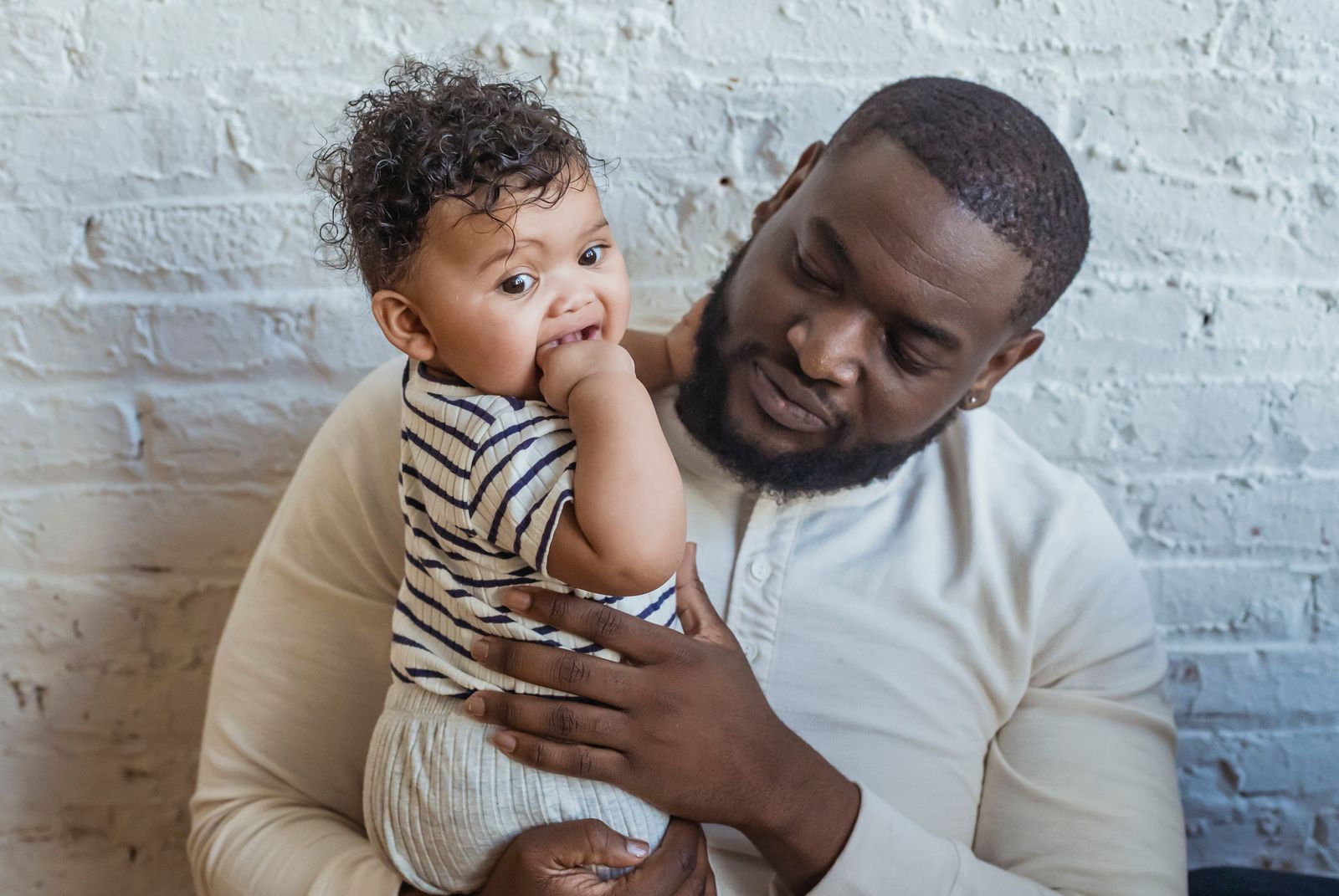
Fatherhood cannot be measured by a single image or assumption. Families experience different circumstances, and a father's involvement can be shaped by relationships, custody arrangements, financial responsibilities, and other challenges that may not be visible from the outside.
Yet public narratives often reduce these complexities to a simple conclusion: that Black fathers are absent or uninvolved.
The danger of this kind of generalization is that it turns a complicated social issue into a stereotype. It overlooks fathers who are present, engaged, and deeply invested in their children's lives. It also makes it harder to have an honest conversation about the different realities families face.
Understanding fatherhood requires looking at the evidence, not simply repeating the story society has grown accustomed to telling.
What the Numbers Can Reveal

Dr. Q has highlighted data he identified as coming from the CDC's 2023 data on fathers' involvement with children under five. The figures he cited offer a different perspective on how Black fathers participate in everyday caregiving.
According to those figures:
• 70.4% of Black fathers bathed, diapered, or dressed their children under five, compared with 60% of White fathers and 45% of Hispanic fathers. • 78.2% of Black resident fathers ate meals with their children under five every day, the highest percentage among the groups cited. • 34.9% of Black fathers read to their children under five every day, also the highest percentage among the groups cited.
These figures challenge the assumption that Black fathers are inherently less involved in their children's lives. They point toward a more nuanced picture of caregiving and participation.
Statistics, of course, must be understood within their original study design, definitions, and limitations. They do not describe every father or every family. But they can help question assumptions that are too broad to reflect the full reality.
Fatherhood Is More Than a Stereotype
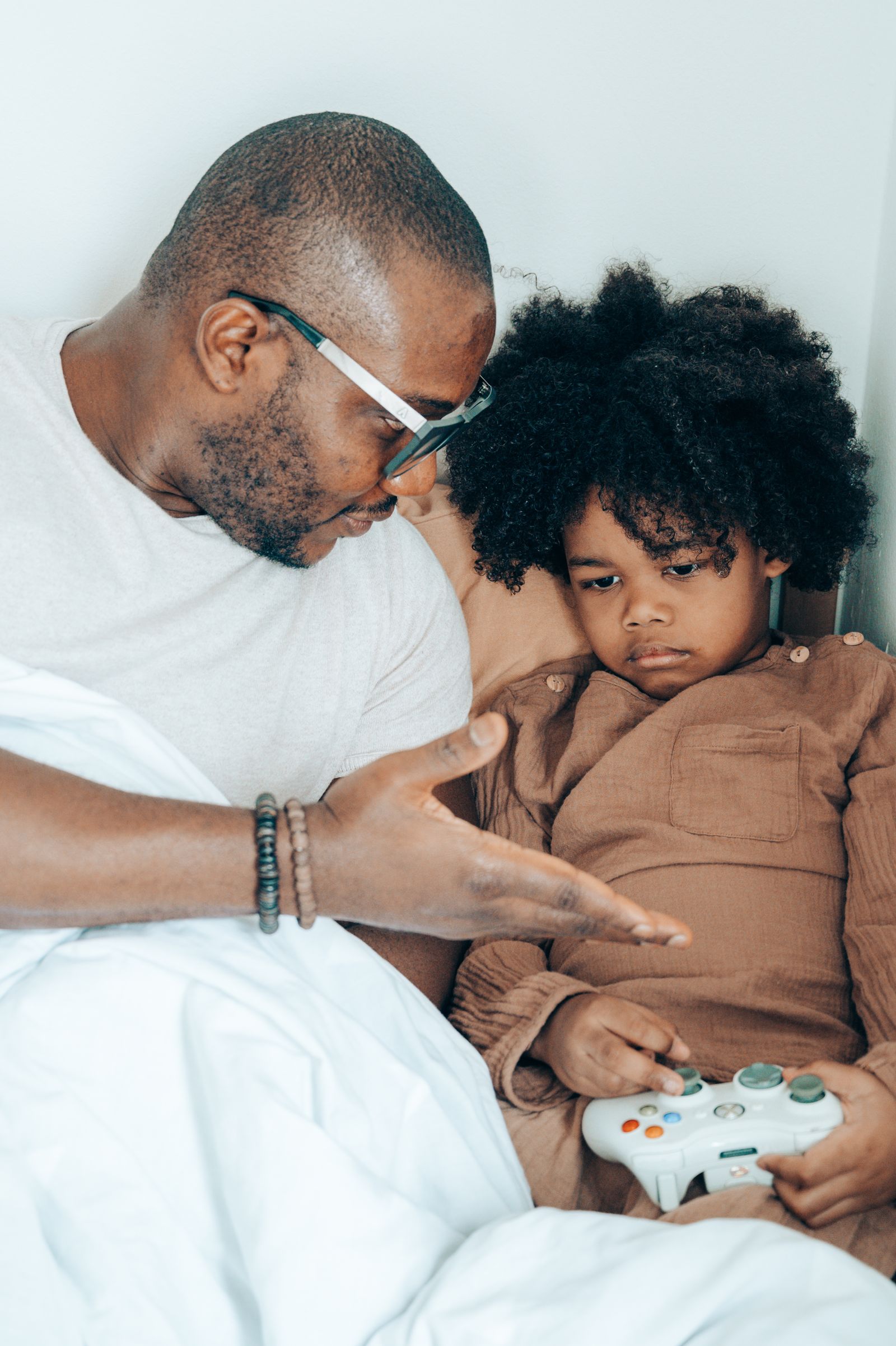
For JuJu the Gentleman, the conversation around fatherhood connects to a broader question of identity: how people are perceived, how they see themselves, and how they choose to show up in the world.
The label society assigns to a person does not always reflect the person behind it. The same is true of fathers. A cultural stereotype cannot account for every man's character, circumstances, sacrifices, or relationship with his children.
Moving beyond these assumptions means allowing room for individual stories instead of treating an entire group as though every family shares the same experience.
It also means recognizing that fatherhood is not defined solely by whether a man fits a conventional family structure. Presence, responsibility, care, and the effort to maintain a meaningful relationship with one's children are all important parts of the picture.
Showing Up Matters
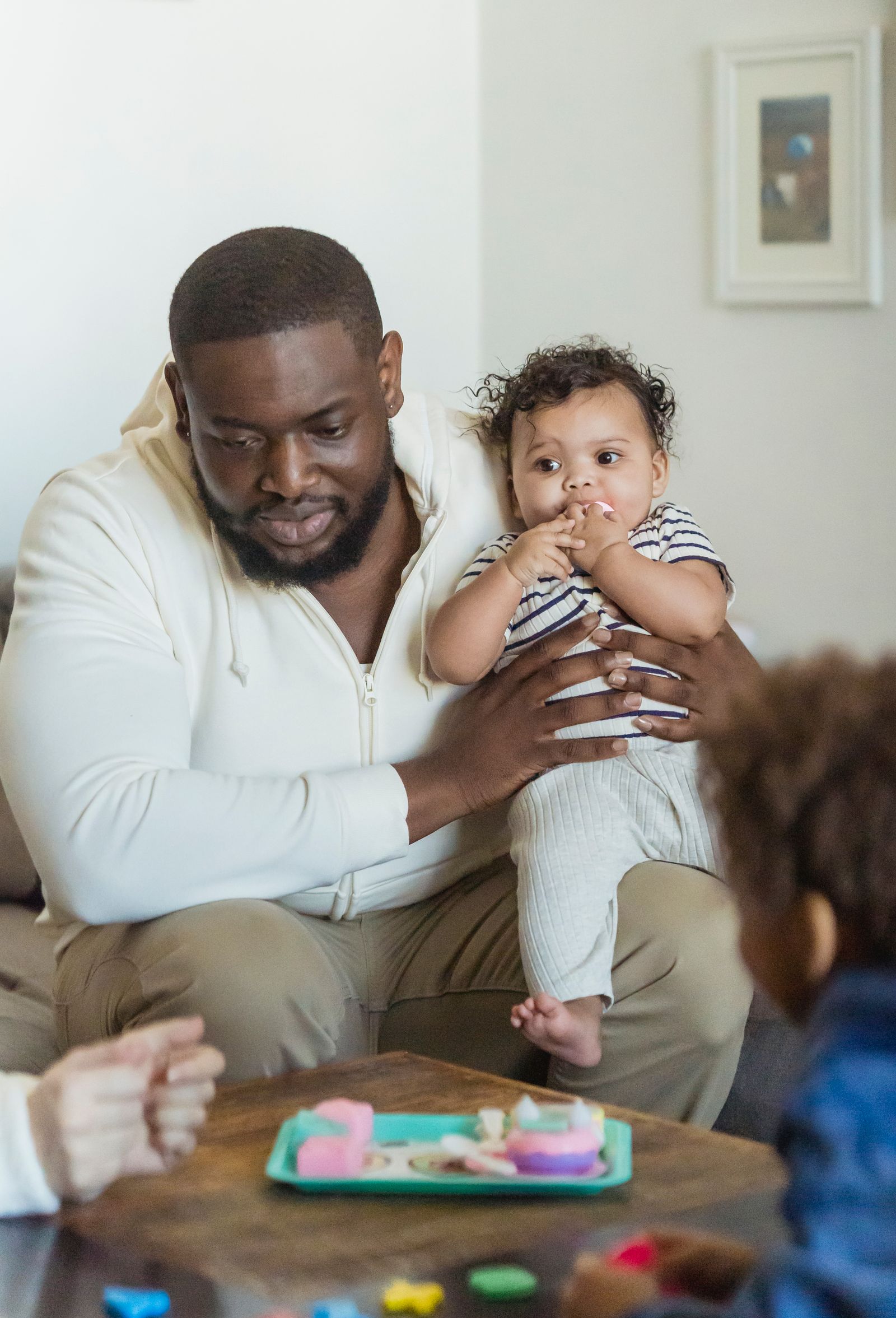
Challenging negative stereotypes should not mean avoiding difficult conversations about fatherhood. It means having those conversations with greater accuracy, fairness, and an understanding of the people involved.
Being a father involves more than financial provision. Providing stability matters, but children also benefit from time, attention, guidance, affection, and consistent involvement.
That can look like sharing a meal, teaching a practical skill, playing a sport, listening without distraction, or simply being available when a child needs support. These everyday moments help build familiarity and trust in ways that financial support alone cannot replace.
Every family has its own circumstances, and there is no single model that captures every meaningful father-child relationship. What matters is recognizing that involvement can take different forms—and that it should be understood through more than assumptions about race, household structure, or social status.
A More Complete Picture of Black Fatherhood
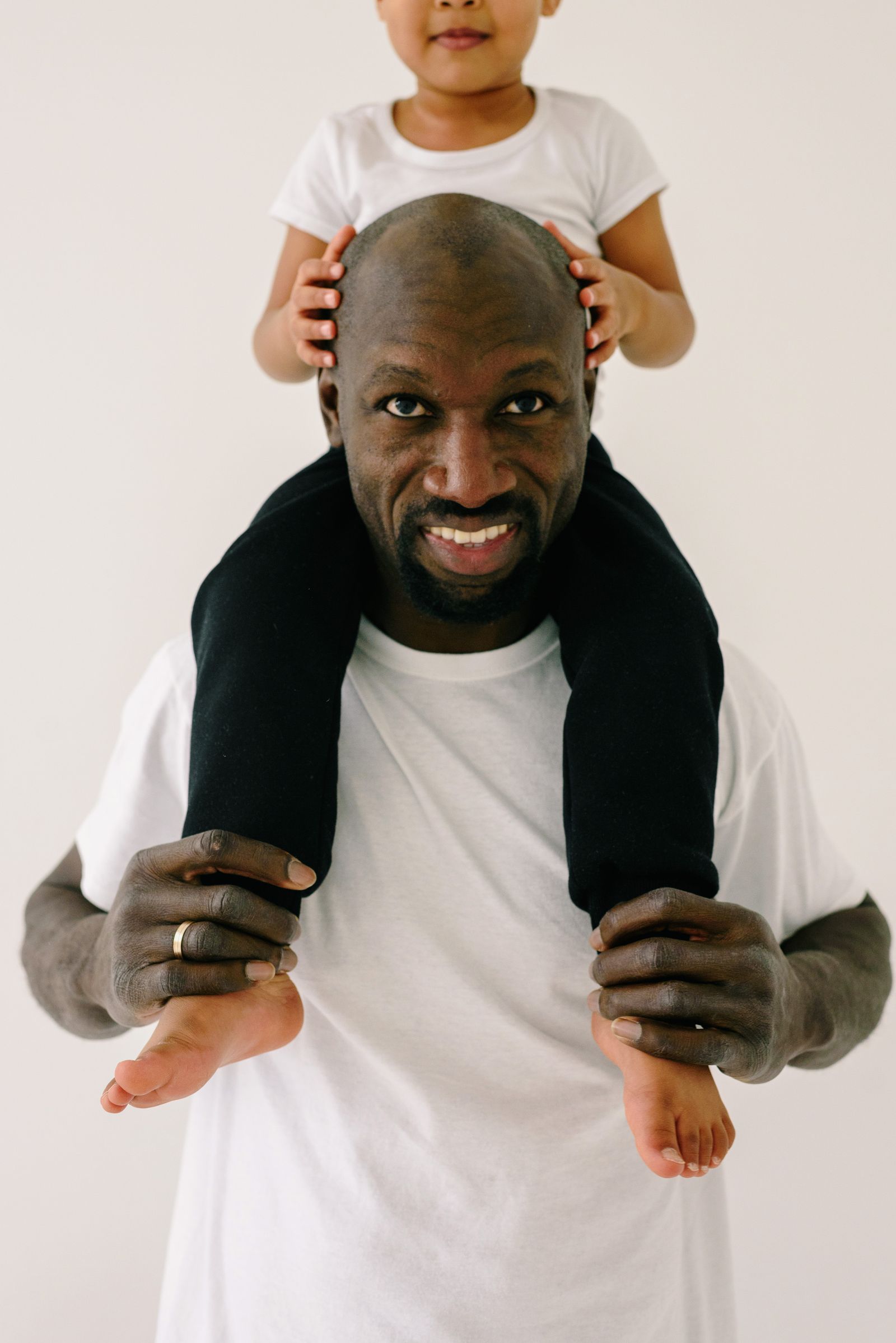
Changing the narrative around Black fatherhood begins with questioning what people have been taught to believe. It requires looking at credible evidence, listening to individual experiences, and resisting the temptation to reduce complex lives to familiar stereotypes.
The goal is not to replace one generalization with another. It is to make room for a more accurate picture—one that recognizes the challenges some fathers face, the contributions many make, and the importance of meaningful relationships between fathers and their children.
For Dr. Q and JuJu the Gentleman, looking beyond stereotypes creates an opportunity to reconsider not only how Black fathers are represented, but how fatherhood itself is understood.
Because no community, and no father, can be fully understood through a stereotype.
Want to Go Deeper?
About Dr. Furhan Qureshi: Dr. Furhan Qureshi, MD, known as Dr. Q, is a board-certified internal medicine physician and the founder and medical director of Noor Esthétique & Wellness Center. Through his work in medicine and health education, he explores the connections between health, personal development, and the experiences that shape how people live.
About JuJu the Gentleman: JuJu the Gentleman represents a journey of personal transformation and a reconsideration of identity, choices, and how a man chooses to present himself to the world.
Explore more thought-provoking conversations on health, identity, fatherhood, and living well with The Noor Effect.
Photos via Pexels — Anete Lusina, Keira Burton, Ketut Subiyanto, Ksenia Chernaya