
Fatherhood Is More Than Providing: Why Showing Up Matters
By Dr. Furhan Qureshi ·
For generations, many men were taught a simple definition of fatherhood:
Work hard. Provide. Protect your family.
Those things matter.
But there is another part of fatherhood that can be harder to measure—and impossible to replace with money.
Being there.
A father can work long hours to give his children a better life and still realize that providing financially is only one part of what a child needs from him.
Money Can't Replace Presence

The conversation around fatherhood raised an uncomfortable question for men who work hard to provide:
Is providing enough?
It is easy to believe that a bigger house, better opportunities, financial security, and material comfort are the ultimate expression of love.
But children also remember the smaller things.
Who showed up? Who played with them? Who helped them? Who listened? Who taught them how to do something? Who was there when they needed advice?
One of the most meaningful reflections in the conversation was the idea that some fathers worked so hard to provide that they sometimes forgot the importance of physical affection, time, and connection.
The lesson isn't that providing doesn't matter.
It's that providing and being present are not the same thing.
Fatherhood Has Changed

Being a father today can also require adapting.
One of the guests described being raised in a household where a parent's word was essentially final. Today's children, he explained, are growing up in a different environment, where they expect to express themselves and where parents have to understand what their children are experiencing.
Social media and the internet have added another layer.
Children are exposed to information, opinions, trends, and influences that parents may not have encountered at the same age.
That means simply repeating what worked for you as a child may not always work for your child.
The generation changes.
And fatherhood has to change with it.
Sometimes Teaching Is About Doing
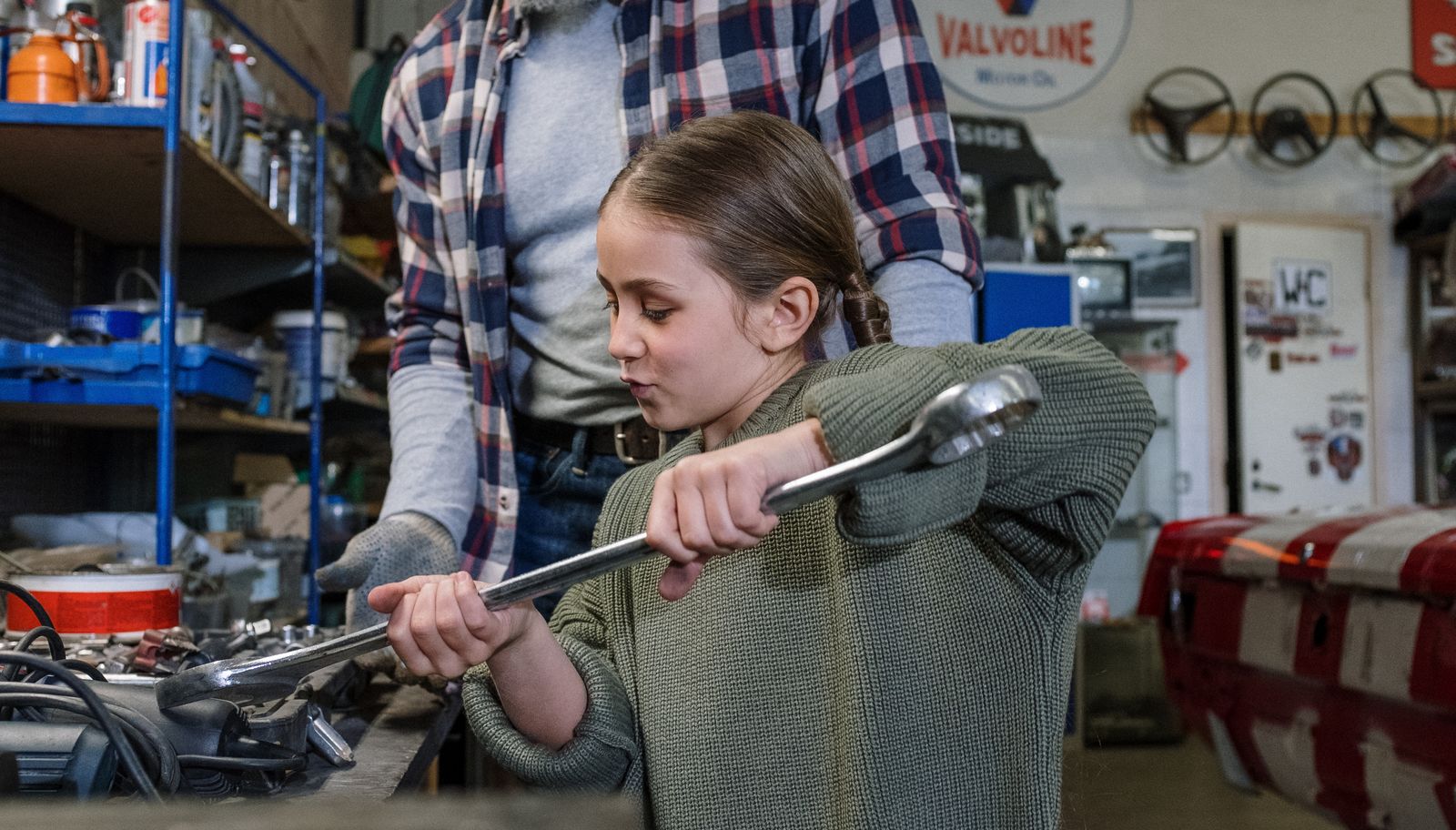
One of the most interesting parts of the conversation was the emphasis on practical experiences.
Teaching a child how to fix something. Change a tire. Take care of a responsibility. Work for something. Learn a skill.
These aren't just chores.
They can become opportunities for a child to develop confidence and independence.
The idea discussed was that children can lose some of those hands-on experiences when everything becomes convenient and digital.
A father doesn't always need to give his child the answer.
Sometimes he needs to stand beside them while they figure it out.
The Power of Doing Something Together

One of the simplest examples discussed was playing sports with a child.
Throwing a football. Playing basketball. Showing them how to do something.
It might look insignificant from the outside.
But those moments can become something much bigger.
They create time together. They create conversation. They create trust.
And they give a child an opportunity to see their father not simply as someone who provides for them, but as someone who participates in their life.
That distinction matters.
A child may not remember every bill their father paid.
They may remember the afternoon their father taught them how to throw a football.
The Story We Tell About Fathers Matters Too
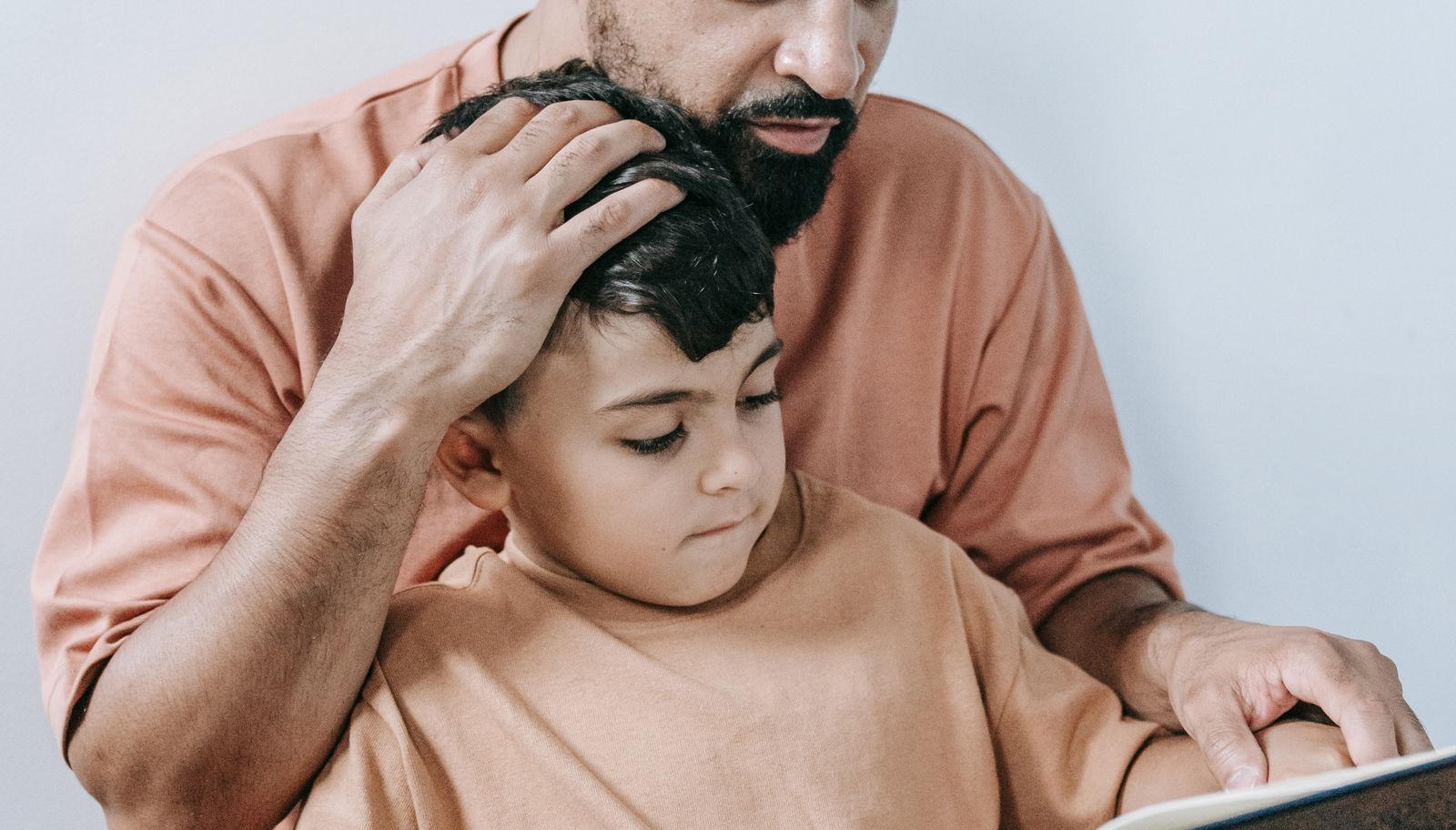
Fatherhood also became a conversation about perception.
The episode challenged the commonly repeated idea that Black fathers are simply absent or disengaged.
During the discussion, Dr. Q referenced CDC data from 2023 showing substantial involvement among Black fathers with children under five, including bathing, dressing, eating meals together, and reading to their children.
The larger point was important:
Perception and reality are not always the same thing.
Fatherhood can be complicated by family circumstances, relationships between parents, legal systems, financial responsibilities, and other factors.
Reducing a father's relationship with his children to a simple label—present or absent, good or bad—can miss the reality of what is happening.
The Goal Isn't Perfect Fatherhood

No father gets everything right.
The more important question may be whether he is willing to remain involved.
To learn. To adapt. To listen. To make time. To repair mistakes. To show his children that he is there.
Because fatherhood isn't built in one grand gesture.
It is built through hundreds of ordinary moments.
The conversation ultimately returned to something simple: connection.
When a father teaches his child something, spends time with them, listens to them, or simply shows up, he is doing more than spending time.
He is building trust.
And that may be one of the most valuable things a father can give his child.
The Bottom Line

Providing for your family is part of being a father.
But it isn't the entire job.
Children need more than what a paycheck can provide.
They need time. Attention. Guidance. Affection.
And someone who shows up.
The goal isn't simply to give your children a better life.
It's to be part of the life you're giving them.
Want to Go Deeper?
Fatherhood is changing—and so are the expectations, challenges, and pressures facing men today.
Listen to Episode 3 of The Noor Effect: “The Male Loneliness Epidemic — Fatherhood, Confidence, Dating & Men’s Health.”
Hear the full conversation with Dr. Furhan Qureshi, JuJu the Gentleman, Chef Mel, and Zane as they discuss fatherhood, masculinity, relationships, confidence, men's health, and what it means to show up for the people who depend on you.
Photos via Pexels — Timur Weber, RDNE Stock project, Mikhail Nilov, cottonbro studio, Itchenko, Andy Kuzma